여러분 혹시 주식 투자 하시나요? 코스피가 40년 동안 보이지 않던 모습을 보이며, 마치 중소형주가 가볍게 날아가듯 순식간에 4,000을 뚫어버렸죠. 그래서 국장에 대한 관심이 다시 돌아오는 최근이었는데, 오늘(251105)은 사이드카까지 발동되었네요. 여러분 계좌는 어떠세요? 방어가 잘 되었나요, 아니면 수익률이 줄어서 마음이 불편하신가요?
주식 시장에서 일희일비는 필패라는 것은 누구나 이론적으로 알고 있습니다. 하지만 마음은 머리로 아는 지식과는 달리 움직일 때가 많죠. 저 역시도 마찬가지입니다. 특히 상승의 기쁨보다 하락으로 인한 공포와 고통이 더 크게 느껴집니다. 저 역시도 계좌가 조금이라도 상승하면, 예를 들어 3% 상승하면 기분이 좋지만, 3% 하락할 때는 기분이 나쁜 정도가 아니라 심장이 철렁하고 내려앉는 소리가 들리는 것 같습니다. 같은 3이라는 숫자인데... 심리 상태는 왜 이렇게 달랐던 걸까요?
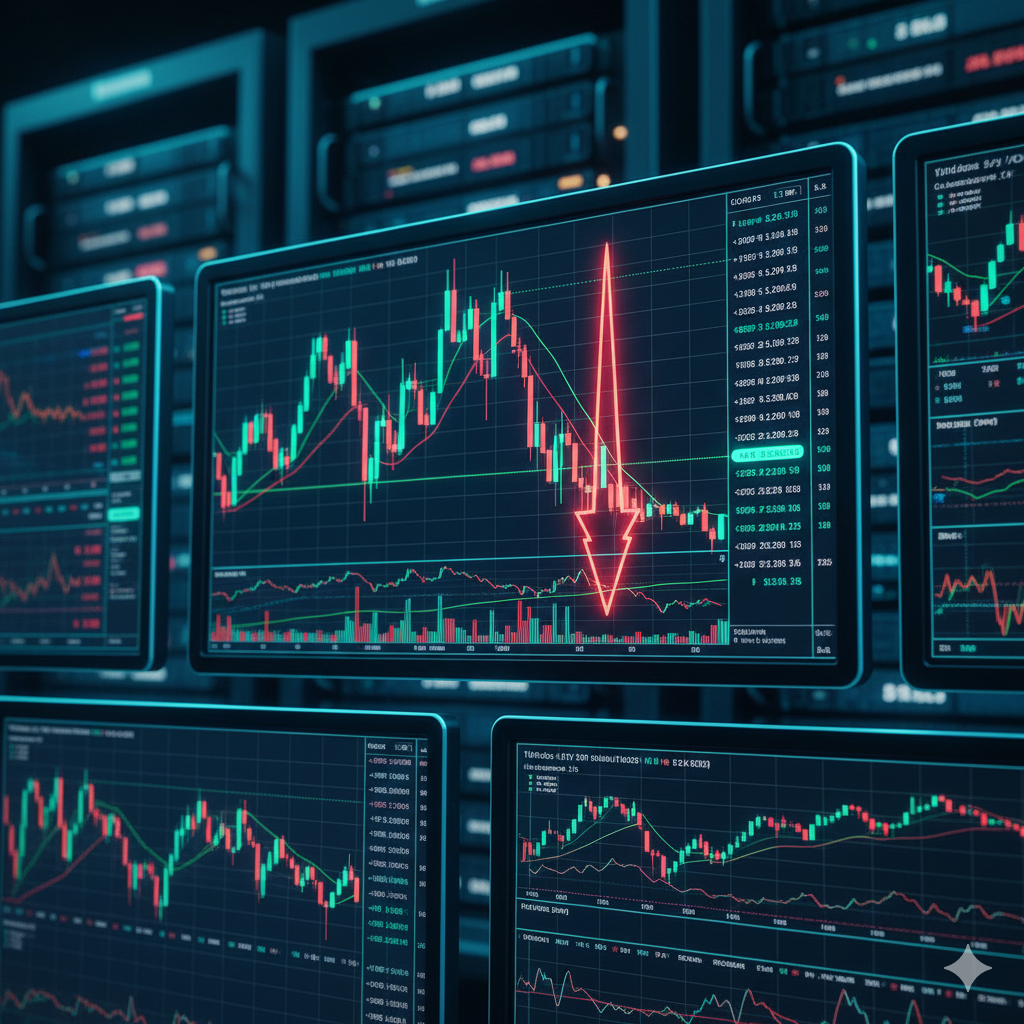
의지의 차이?
하락하는 주식장에서 어떤 이는 견뎌내지만, 다른 이들은 손실을 보며 고통을 느끼다 결국 많은 손해를 감수하고 손절을 하는 경우가 발생합니다. 이는 의지가 약해서가 아닙니다. 인간이라면 누구나 겪는 심리적 본능입니다. 이 현상을 설명한 사람이 바로 심리학자 대니얼 카너먼(Daniel Kahneman) 과 그와 함께 연구한 아모스 트버스키(Amos Tversky)
두 사람은 1979년, <Prospect Theory: An Analysis of Decision under Risk>라는 논문을 통해 인간이 이익보다 손실에 훨씬 민감하다는 사실을 밝혀냈습니다. 이 " “손실 회피(Loss Aversion)"이론의 핵심은,
사람은 이익에서 얻는 행복보다 손실에서 느끼는 고통을 약 2~2.5배 더 크게 느낀다.
즉, 10만 원 벌었을 때의 기쁨보다 10만 원 잃었을 때의 괴로움이 두세 배쯤 더 강하다는 것입니다. 투자자들이 이익 실현은 빨리 하고 손실 종목은 오래 끌게 되는 이유도 이 심리 때문입니다. 손실을 확정하는 순간 느껴지는 두 세배의 고통을 유예하기 위해 손절 기회를 놓치게 되고, 결국에는 더 낮은 단가에 손절을 하게 되는 것입니다.
안타깝게도 그의 파트너 아모스 트버스키는 세상을 떠난 뒤라 함께 수상하지는 못했습니다만, 이 연구는 단순히 투자 심리를 넘어 인간의 의사결정 구조 전체를 바꿔놓았다는 평가를 받으며, 2002년에 대니얼 카너먼은 노벨경제학상을 수상하게 됩니다. 심리학자인데도 경제학상을 받게 된 거죠.
결국 시장은 심리의 집합체다.
주식 시장은 결국 감정의 전쟁터입니다. 이성적인 판단을 유지할 줄 아는 사람이 더 오래 살아남기 때문에 투자자에게 가장 중요한 것은 숫자가 움직여도 자신의 결정이 흔들리면 안 된다는 것입니다. 우리는 시장은 감정 시험장이며, 결국 마음이 제일 비싼 자산이라는 것을 기억할 필요가 있습니다.
이 글을 끝까지 읽어 주신 분들에게
고개숙여 감사를 전합니다.
[문의]
- zuozhe0513@gmail.com
- Tistory 댓글
- geumjooeun_insta DM
"Please note that this text was translated by AI, so there may be subtle differences in nuance from the original."
Do any of you invest in stocks? The KOSPI recently showed a movement not seen in 40 years, rapidly breaking through the 4,000 mark as if small and mid-cap stocks were effortlessly taking off. This has sparked renewed interest in the domestic market, but today (Nov 5th, '25), a circuit breaker (Sidecar) was even triggered. How are your accounts doing? Have you managed to defend your positions well, or are you feeling uncomfortable due to reduced returns?
Everyone knows theoretically that being overly emotional about the stock market leads to certain failure. However, the heart often moves differently from the knowledge held in the head. I am also the same. Especially the fear and pain caused by a drop feel much greater than the joy of a rise. For me too, if my account rises even slightly—for example, a 3% increase makes me happy—a 3% decline doesn't just make me feel bad; I feel my heart sink. It's the same number, 3... so why is the psychological state so different?

Is it a difference in willpower?
In a declining stock market, some endure, while others suffer the pain of losses and eventually decide to cut losses (stop-loss) at a great disadvantage. This is not due to a lack of willpower. It is a psychological instinct that every human experiences. The people who explained this phenomenon are the psychologist Daniel Kahneman and his research partner, Amos Tversky.
In 1979, through their paper titled <Prospect Theory: An Analysis of Decision under Risk>, the two revealed that humans are far more sensitive to losses than to gains. The core of this "Loss Aversion" theory is:
People feel the pain caused by a loss about 2 to 2.5 times greater than the happiness gained from an equivalent gain.
In other words, the distress of losing 100,000 KRW is two or three times stronger than the pleasure of earning 100,000 KRW. This psychology is the reason why investors quickly realize profits but tend to hold onto losing stocks for a long time. In order to delay the two-to-three-fold pain felt at the moment of confirming a loss, they miss the opportunity to cut losses, ultimately resulting in cutting losses at an even lower price.
Sadly, his partner Amos Tversky had passed away and could not receive the award with him, but this research is regarded as having transformed the entire structure of human decision-making, not just investment psychology. Daniel Kahneman was awarded the Nobel Prize in Economic Sciences in 2002. A psychologist receiving a Nobel Prize in Economics.
Ultimately, the market is a collection of psychologies.
The stock market is essentially a battlefield of emotions. Since those who can maintain rational judgment survive longer, the most important thing for an investor is to ensure that their decisions do not waver, even when the numbers move. We need to remember that the market is a test of emotions, and ultimately, the mind is the most valuable asset.
I would like to express my sincere gratitude
to those who read this article to the very end.
[ Inquiries]
- zuozhe0513@gmail.com
- Tistory Comments
- geumjooeun_insta DM (Direct Message on Instagram)


댓글